Webinar: Advancing an African Feminist Perspective on the Belém Gender Action Plan
Date: 4 June 2026
Time: 2PM SAST / 3PM EAT
Location: Online
Register here: https://us06web.zoom.us/webinar/register/WN_TDNmuR83SomzeH4tm_3TOA
The adoption of the Belém Gender Action Plan at COP30 marked a major milestone for gender-responsive climate action under the UNFCCC. But what does it mean for Africa, and how can feminist movements ensure these commitments translate into real change? Join leading activists, researchers, negotiators, and civil society actors for a timely deep dive into the opportunities, gaps, and accountability challenges within the new framework. The webinar will explore pathways for advancing gender justice, climate finance, and feminist climate leadership ahead of SB64 and COP31. Participants will engage in discussions on implementation, African feminist priorities, and strategic advocacy for transformative climate action that centers women, communities, and frontline defenders across the continent.
WELCOME REMARKS
 Peninnah Mbabazi Tashobya, Program Associate (Climate Justice), Center for Economic and Social Rights
Peninnah leads CESR’s work advancing linkages between climate justice, human rights, and economic policies. She particularly looks at climate finance from a reparations framework. She also contributes to CESR’s broader programmatic efforts, including advancing a rights-based economy, fiscal justice, and equitable global economic governance. With over seven years of experience in trade, investment, and fiscal policy, she has led policy research, advocacy campaigns, and reform efforts aimed at improving governance, transparency, and accountability in trade, debt, and climate finance. Before joining CESR, Peninnah held key roles at SEATINI Uganda and Uganda Debt Network, where she managed complex projects and authored policy briefs and articles addressing socio-economic challenges affecting marginalized communities.
SPEAKERS
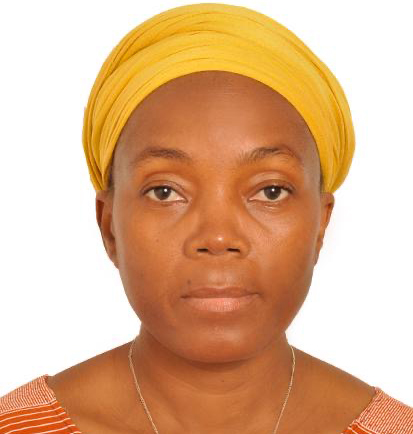
Maria Matui, Executive Director, Women Action Towards Economic Development (WATED)
Maria Matui is a Tanzanian lawyer and feminist climate justice advocate with over 15 years of experience in human rights, gender equality, and climate governance. She is the Founder and National Coordinator of CGCCT and co-founder of WATED, leading initiatives on climate justice, women’s rights, and grassroots empowerment in Tanzania and across Africa.
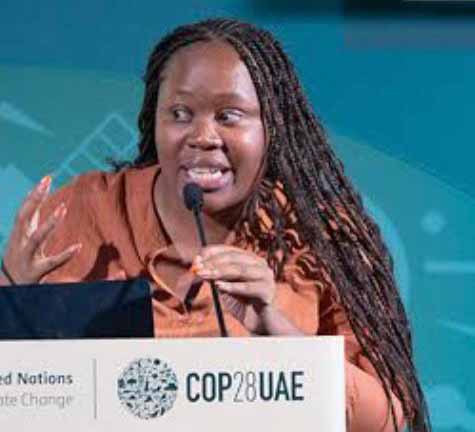 Zukiswa White, Pan-African feminist activist & organiser
Zukiswa White is a queer-feminist and pan-African activist-organiser, popular educator, and cultural worker. Her work is at the intersections of gender equity, racial justice, and environmental and climate justice. Her specific skills lie in building systems to support and amplifying women’s leadership and visibility within cross issue feminist movement spaces.
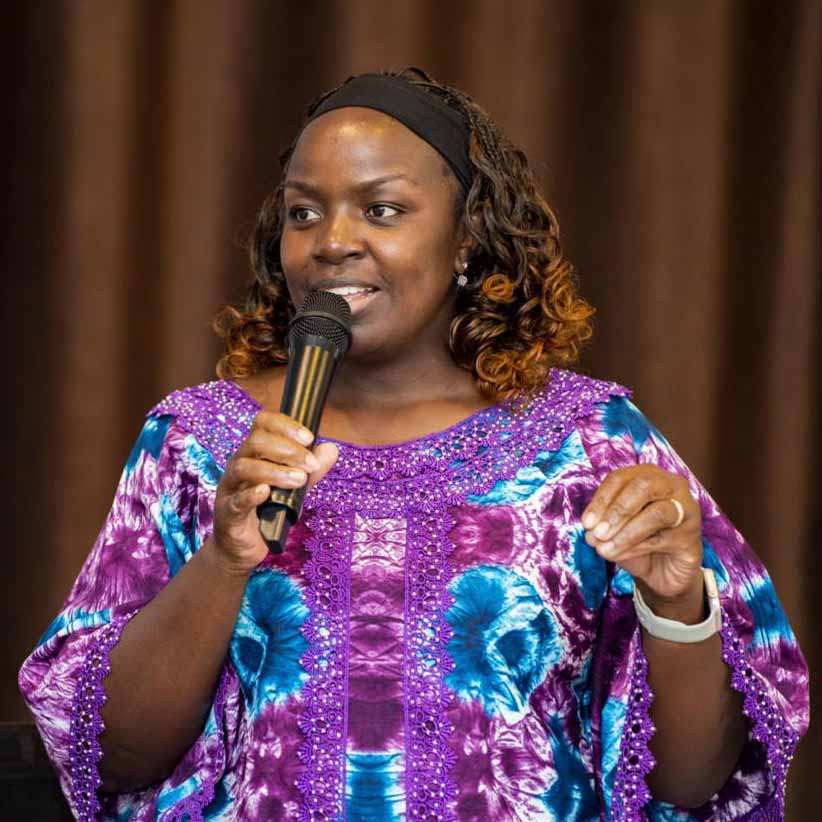 Jackline Nekesa Makokha, Gender Director, Kenya State Department for Gender Affairs and Affirmative Action
Jackline Nekesa Makokha is Director Gender, working for the Kenyan Government in the State Department for Gender Affairs and Affirmative Action under the Ministry of Gender, Culture and Children Services; where she heads the Gender Transformation and Equality Directorate. Before moving to the Ministry, Ms. Makokha worked with the National Gender and Equality Commission as well as several Non-State Actors in the areas of gender equality and women's empowerment, human rights and governance in various positions. She holds a Bachelor’s degree in Sociology and the German language and a Master’s Degree in Gender and Development Studies from the University of Nairobi, Kenya. Additionally, she has undertaken several short courses in among others Gender Policy Management; Leadership, Development & Governance; Gender and Climate Change; and Project Monitoring and Evaluation; nationally and internationally. Ms. Makokha has in the course of her career delved into and grown in the field of Gender and Climate Change, thus currently coordinating gender and climate change issues within the State Department and also serving as the current United Nations Framework Convention on Climate Change (UNFCCC) National Gender and Climate Change Focal Point for Kenya. Further, Ms. Makokha is currently a Fellow in the African Women in Agricultural Research and Development’s (AWARD) two-year Climate Action Fellowship Programme. In the course of her career, Ms. Makokha has spearheaded development and publication of several national level reports cutting across the fields of gender mainstreaming, gender and governance, Gender Based Violence, Equality and inclusion and Gender and Climate Change others.
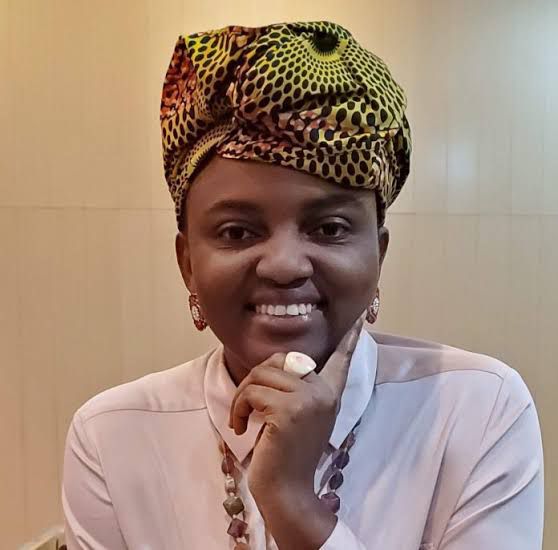 Dr. Zoneziwoh Mbondgulo-Wondieh.
Zoneziwoh Mbondgulo-Wondieh is an award-winning feminist humanitarian storyteller and researcher in gender and digital activism, movement building, policy advocacy, and youth leadership. She is the Executive Director at Women for A Change in Cameroon, where she designs, directs, and executes programmes for the advancement of women’s and girls sexual and reproductive health rights.
MODERATOR
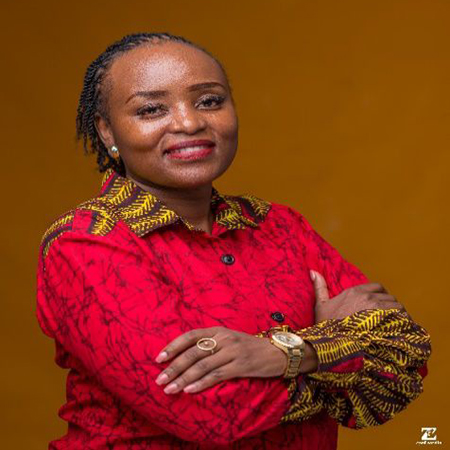 Juliet Nangamba, Economic Justice and Climate Action Lead, Akina Mama wa Afrika.
Juliet Nangamba is a Pan African feminist. She contributes in advancing gender justice, climate justice, and economic transformation at regional and global levels. With over fourteen years of experience in movement building and advocacy in social justice advocacy, she brings a powerful intersectional lens that advances feminist alternatives grounded in care and inclusion. Her dream is one where African women and the African continent achieve self-determination and sovereignty from political and governance spaces that impacts them. Juliet’s work amplifies the voices of women and marginalized communities to ensure that their efforts and contributions are recognized, that they shape policy frameworks and participate in decision making processes. She currently serves as the Economic Justice and Climate Action Lead at Akina Mama wa Afrika, where she works to strengthen feminist movements, influence policy at regional and global levels, and advance African women’s leadership and alternatives in shaping just and equitable futures in food, feminist macroeconomics and climate policy frameworks.